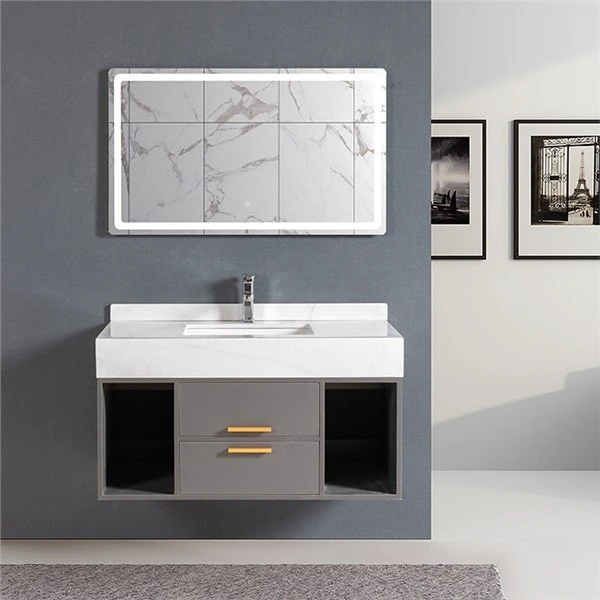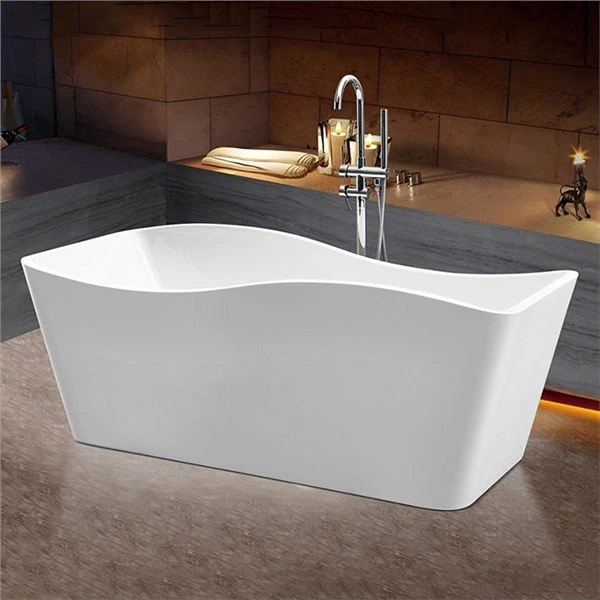

Replacing a bathroom vanity is a significant undertaking that can enhance both the functionality and aesthetics of your bathroom. Whether you're looking to update the style, improve storage, or address structural issues, careful consideration of various factors is crucial to ensure a successful and satisfying renovation.
1. Budgeting:
Before embarking on any home improvement project, establishing a realistic budget is essential. Consider not only the cost of the new vanity but also potential additional expenses such as plumbing, flooring, and accessories. Factor in unexpected costs to avoid any financial surprises during the renovation process.
2. Measurement and Space Planning:
Accurate measurements of the existing vanity space are crucial for selecting a replacement that fits seamlessly. Consider the height, width, and depth of the area to ensure the new vanity aligns with the available space. Additionally, account for door swings, ensuring they won't interfere with the new installation.
3. Style and Design:
The style and design of the vanity play a significant role in determining the overall aesthetic of the bathroom. Consider the existing decor and choose a vanity that complements or enhances the overall style. Common styles include modern, traditional, transitional, and rustic, each offering a unique look to suit different tastes.
4. Material and Durability:
Vanity materials vary widely, from solid wood to MDF (Medium-Density Fiberboard) and laminate. Consider the level of moisture in the bathroom and choose a material that can withstand the conditions. Solid wood and high-quality plywood are durable choices, while veneer or MDF may be suitable for a more budget-friendly option.
5. Storage Needs:
Evaluate your storage needs to determine the type of vanity that will best meet your requirements. Consider the number and size of drawers and cabinets, as well as any additional features such as built-in organizers or shelving. A well-designed vanity can significantly improve bathroom organization.
6. Plumbing Configuration:
The existing plumbing configuration can influence the selection of your new vanity. If you plan to keep the same layout, choose a vanity with a similar plumbing configuration to minimize additional plumbing work. Alternatively, if you're open to relocating plumbing fixtures, factor in the associated costs and potential challenges.
7. Countertop and Sink Options:
Vanity tops come in various materials, including granite, marble, quartz, and laminate. Consider the aesthetic appeal, durability, and maintenance requirements of each material. Additionally, choose a sink style that complements the overall design – options range from undermount and vessel sinks to integrated sink and countertop units.
8. Lighting Considerations:
Bathroom lighting is often integrated into or positioned above the vanity. Consider the type and placement of lighting fixtures to ensure proper illumination for grooming tasks. Wall-mounted fixtures, recessed lighting, or a combination of both can enhance the functionality and ambiance of the space.
9. Installation:
Consider whether you'll be installing the new vanity yourself or hiring a professional. Ensure that the installation process aligns with your skill level and the complexity of the chosen vanity. If hiring a contractor, obtain quotes and check their credentials to ensure a smooth and successful installation.
10. Future Resale Value:
While personal preferences are essential, it's wise to consider how your choices might impact the resale value of your home. Opt for timeless designs and neutral color schemes that have broad appeal, increasing the likelihood of attracting potential buyers in the future.