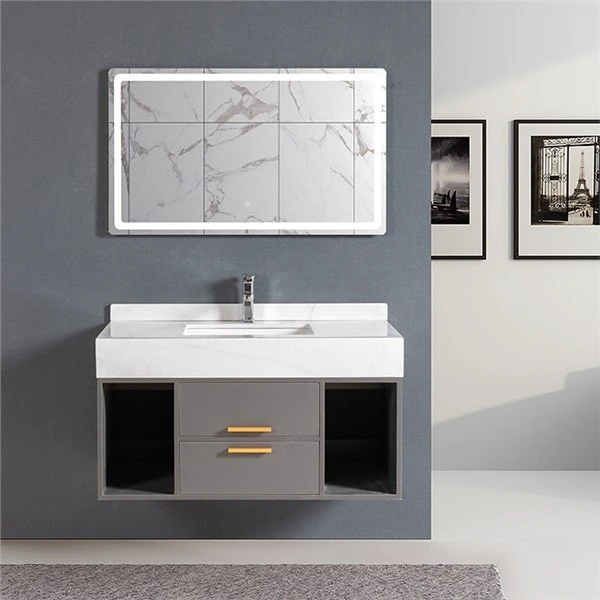

When it comes to constructing a bathroom vanity, there are many options for materials. One option that is gaining popularity is plywood. Plywood is a sheet material made from thin layers or "plies" of wood veneer that are glued together to form a panel.
Plywood has several advantages that make it a great choice for a bathroom vanity. One of the biggest advantages is its strength. Plywood is made by layering thin sheets of wood in a cross-grain pattern, which gives it added strength and stability. This makes it less likely to warp, crack, or split over time, even when exposed to moisture and humidity.
Another advantage of plywood is its versatility. It is available in a variety of thicknesses and grades, which makes it easy to find a type that is suitable for your specific needs. It can be cut, drilled, and shaped to fit any design or style of bathroom vanity, and it can be finished with a variety of paints, stains, and sealants to match your bathroom decor.
In addition to its strength and versatility, plywood is also cost-effective. It is generally less expensive than solid wood or composite materials, which makes it a popular choice for DIY bathroom vanity projects. It can also be found at most home improvement stores and lumberyards, making it easy to obtain.
While plywood is a durable and versatile material, it is important to note that not all plywood is created equal. Low-grade plywood may contain voids or knots that can weaken the material and make it less suitable for use in a bathroom setting. It is important to choose a high-quality plywood that is specifically designed for use in damp environments like bathrooms.