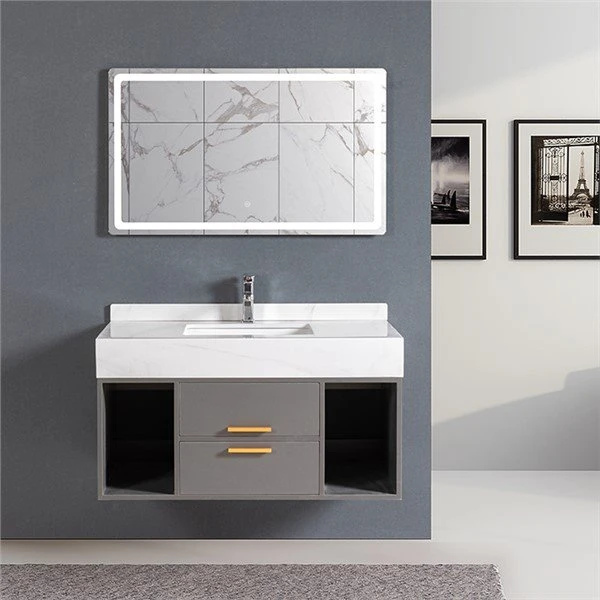

A bathroom vanity is a key component of any bathroom, providing both functional and aesthetic benefits. When considering the lifespan of a bathroom vanity, several factors come into play, including the materials used, construction quality, usage patterns, and maintenance practices. A well-crafted and properly cared-for bathroom vanity can last for many years, enhancing the overall appeal and functionality of the bathroom space.
The longevity of a bathroom vanity largely depends on the materials chosen for its construction. Common materials for vanity cabinets and countertops include solid wood, plywood, MDF (medium-density fiberboard), laminate, and various types of stone such as granite or quartz. Each material has its own durability and maintenance requirements, influencing the overall lifespan of the vanity.
Solid wood is often considered a durable and long-lasting option for vanity cabinets. High-quality hardwoods like oak, maple, or cherry are known for their strength and resistance to moisture, which is crucial in a bathroom environment. Properly sealed and finished wood can withstand the humidity and potential splashes that occur in bathrooms, extending the lifespan of the vanity.
Plywood and MDF are engineered wood products commonly used in constructing bathroom cabinets. While these materials are generally less expensive than solid wood, their longevity depends on the quality of construction. High-grade plywood and MDF with water-resistant coatings can contribute to the durability of the vanity. However, exposure to excessive moisture over time may still affect these materials negatively.
Laminate is another option for vanity surfaces, offering a wide range of colors and patterns. While laminate is budget-friendly and resistant to moisture, it may not be as durable as natural stone. Proper care is essential to prevent scratches and damage to the surface, ensuring a longer lifespan for the vanity.
Stone countertops, such as granite or quartz, are popular choices for their durability and resistance to moisture and stains. These materials can significantly contribute to the longevity of a bathroom vanity. However, proper sealing and regular maintenance are crucial to prevent damage and ensure a prolonged lifespan.
In addition to material considerations, the construction quality of the vanity plays a vital role in determining its lifespan. Well-built cabinets with sturdy joints, quality hardware, and precise craftsmanship are more likely to withstand the rigors of daily use. Check for dovetail or mortise-and-tenon joints, as these indicate a higher level of craftsmanship and durability.
The frequency and intensity of use also impact the lifespan of a bathroom vanity. In a busy household with multiple occupants, the vanity may experience more wear and tear compared to a less frequently used guest bathroom. Teaching proper maintenance habits, such as promptly cleaning up spills and avoiding harsh chemicals, can help extend the life of the vanity.
Regular maintenance is essential for preserving the appearance and functionality of a bathroom vanity. Cleaning the surfaces regularly, avoiding abrasive cleaners, and addressing any water damage promptly can prevent issues that might shorten the lifespan of the vanity. Additionally, checking for and repairing any loose or damaged components, such as hinges or handles, can contribute to the overall longevity of the unit.