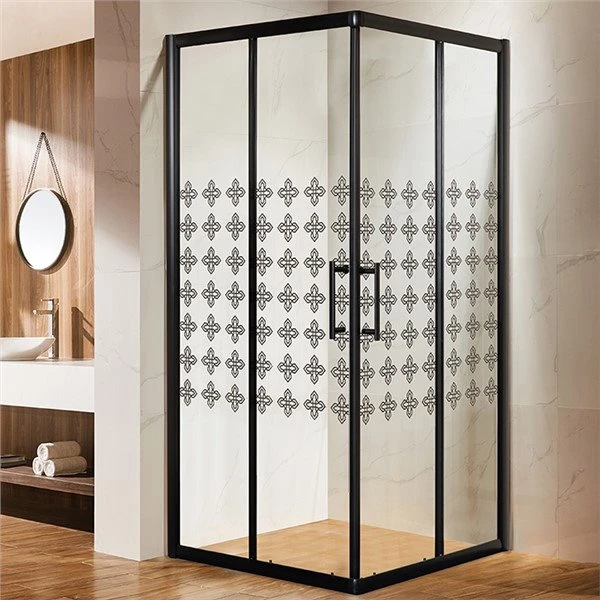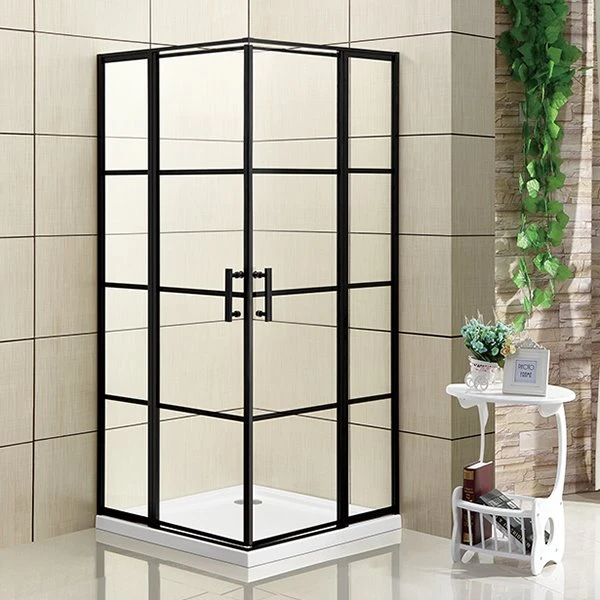

A room designed exclusively for showering-with no toilet, sink, or other bathroom fixtures-has a clear and widely recognized name: a shower room. This space is defined by its singular function: to provide a dedicated area for bathing, and its design and configuration are entirely tailored to this purpose. Unlike a full bathroom (which combines bathing, toileting, and handwashing functions) or a "wet room" (a style of waterproofed space that may include a shower but is categorized by its open, fully water-resistant design), a shower room's identity hinges on its narrow, function-first focus.
Core Definition and Key Characteristics of a Shower Room
At its core, a shower room is a compact, functional space built around one essential element: the shower unit. Its design prioritizes practicality over extra amenities, so it typically includes only the components necessary for showering and moisture management. These key features often include:
A shower system: This can range from a basic fixed showerhead to a more advanced setup with handheld sprays, body jets, or thermostatic controls, depending on user needs.
A water containment and drainage solution: Most shower rooms use a shower tray (a prefabricated, waterproof base made of materials like acrylic, stone resin, or ceramic) to catch water, paired with a built-in drain. Alternatively, some use a "curbless" design with a sloped, fully waterproofed floor that directs water to a linear or central drain-though this is more common in modern or accessible designs.
Waterproofing: Since the entire space is exposed to water, shower rooms require rigorous waterproofing for walls (usually up to 1.8–2 meters high, using waterproof membranes or tile backer boards) and floors to prevent leaks and mold growth.
Basic storage (optional): To keep toiletries like shampoo, soap, or loofahs within reach, many shower rooms include small, space-saving storage solutions-such as built-in niches in the walls, over-shower shelves, or hanging caddies-without adding bulk.
Ventilation: Given the constant moisture from showers, proper ventilation is non-negotiable. This typically comes in the form of an exhaust fan, a small window, or a combination of both, to reduce humidity, prevent mildew, and keep the space dry between uses.
Common Scenarios Where Shower Rooms Are Used
Shower rooms are highly versatile and appear in both public and residential settings, where their single-function design solves specific needs:
Public facilities: Gyms, fitness centers, swimming pools, and hostels often rely on shower rooms. Here, users only need to clean up after physical activity, so separate shower rooms (sometimes with multiple shower stalls) eliminate the need for full bathrooms and maximize space for more users. For example, a gym might have a row of individual shower rooms adjacent to locker areas, letting members shower quickly without waiting for a full bathroom.
Residential homes: In houses or apartments, shower rooms are ideal for optimizing space or meeting specific family needs. Smaller apartments, for instance, might include a compact shower room near the entryway (for cleaning off after outdoor activities) alongside a full bathroom for daily use. They're also popular in multi-generational homes: a shower room near an elderly family member's bedroom can be designed with safety features (like grab bars or non-slip floors) and avoid the need to navigate a larger bathroom. Additionally, some homeowners add shower rooms to guest wings or basements, providing guests with private bathing space without sacrificing the main bathroom's amenities.
Why It's Not Confused with Similar Spaces
It's important to distinguish shower rooms from other water-focused spaces to avoid misunderstanding. For example:
A wet room is a design style, not a function: It's an open, fully waterproofed space where water can flow freely across the floor (no shower tray or curtain). A wet room might only have a shower (making it a type of shower room), but it could also include a toilet or sink-something a strict shower room would never have.
A bathroom (or "full bath") always includes multiple functions: At minimum, it has a shower/tub plus a toilet and sink. A shower room, by contrast, lacks these extra fixtures.
A powder room (or "half bath") has a toilet and sink but no bathing facilities-so it's the opposite of a shower room in terms of function.