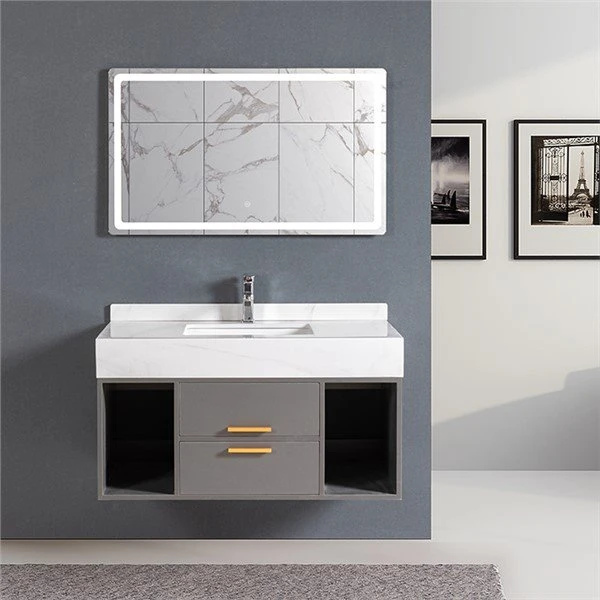

Certainly! Replacing a bathroom vanity without hiring a plumber is a feasible and cost-effective home improvement project that many homeowners choose to undertake.
1. Gather Necessary Tools and Materials:
Before you begin the project, it's essential to gather all the tools and materials you'll need. This typically includes a screwdriver, adjustable wrench, pipe wrench, pipe cutter, plumber's tape, bucket, and a new vanity unit. Make sure to measure the space accurately to ensure the new vanity will fit properly.
2. Turn Off Water Supply:
Start by turning off the water supply to the sink. Locate the shut-off valves beneath the sink and turn them clockwise until they are fully closed. Once the water is turned off, open the faucet to release any remaining water in the pipes.
3. Disconnect Plumbing Connections:
Using an adjustable wrench and a pipe wrench, disconnect the water supply lines and the drainpipe from the existing vanity. Place a bucket beneath the pipes to catch any remaining water. Be prepared for some water spillage, so having towels on hand is advisable.
4. Remove the Old Vanity:
With the plumbing disconnected, remove any screws or bolts securing the old vanity to the wall. Carefully detach the vanity from the wall and lift it away. Check the condition of the wall and floor to ensure they are suitable for the new vanity installation.
5. Prepare the Area:
Clean the wall and floor where the old vanity was installed. If there are any damages or irregularities, now is the time to address them. Fill in holes, sand the surface, and ensure a smooth and level base for the new vanity.
6. Install the New Vanity:
Place the new vanity in the desired position and mark the locations for securing it to the wall. Use a level to ensure that the vanity is straight. Secure the vanity to the wall with screws, following the manufacturer's instructions.
7. Connect Plumbing:
Reconnect the water supply lines and drainpipe to the new vanity. Use plumber's tape to secure the connections and prevent leaks. Tighten the connections with an adjustable wrench, ensuring they are snug but not over-tightened.
8. Check for Leaks:
Turn the water supply back on and check for any leaks around the connections. If you notice any leaks, tighten the connections further until they are secure. Wipe away any excess water and ensure that the faucet is working properly.
9. Seal Gaps and Edges:
To give your installation a polished look, use caulk to seal any gaps between the vanity and the wall. This not only enhances the aesthetic but also helps prevent water damage.
10. Finishing Touches:
Install the faucet and any additional accessories that come with the new vanity. Double-check all connections and make sure everything is functioning as expected.