
When planning a bathroom renovation or building a new bathroom, one of the most critical decisions homeowners and designers face is choosing the right shower foundation. A common question that arises is: "Are shower bases any good?" The short answer is yes-shower bases are not only good but often essential for a functional, durable, and low-maintenance shower setup. However, their effectiveness depends on factors like material, design, installation, and how well they align with your specific needs. To fully understand why shower bases are a valuable investment, it's important to explore their purpose, benefits, different types, potential drawbacks, and how to choose the right one for your space.
First, it's essential to clarify what a shower base is and how it differs from similar components like shower pans-a distinction often blurred in everyday language. A shower base typically refers to a prefabricated, one-piece unit made from materials like acrylic, fiberglass, or solid surface, designed to serve as the waterproof floor of the shower. It is pre-sloped to direct water toward the drain, preventing standing water and leaks, and is ready to install without the need for on-site construction. In contrast, a shower pan is usually a custom-built, multi-layer system (including a waterproof membrane, mortar, and tile) constructed on-site, offering more design flexibility but requiring more labor and time. Both serve the core function of creating a waterproof shower floor, but shower bases stand out for their convenience and simplicity, making them a popular choice for many households.
One of the primary reasons shower bases are highly regarded is their exceptional waterproofing capability-arguably their most important feature. Unlike tile showers, which rely on proper grout sealing and membrane installation to prevent leaks, prefabricated shower bases are inherently waterproof. They are molded as a single piece, eliminating gaps, seams, or grout lines where water can seep through and damage the subfloor, walls, or underlying structure. This waterproof design not only protects your home from costly water damage, mold, and rot but also reduces the risk of structural issues that can arise from prolonged moisture exposure. When installed correctly, a quality shower base can last for decades, often outlasting the tiles or fixtures around it, making it a long-term, cost-effective solution.
Another significant advantage of shower bases is their ease of installation and low maintenance. For homeowners or contractors looking to save time and labor costs, prefabricated shower bases are an ideal choice. They come ready to install, requiring only proper preparation of the subfloor (such as a level mortar bed) and connection to the drain pipe. This simplicity not only speeds up the renovation process but also reduces the chance of installation errors that can lead to leaks-errors that are common with custom tile showers, which depend heavily on the installer's skill to create a proper slope and waterproof seal. Additionally, shower bases are low-maintenance: most materials are non-porous, resistant to stains, mold, and mildew, and can be cleaned with basic, non-abrasive cleaners. Unlike tile showers, which require regular grout sealing and deep cleaning to prevent discoloration and mold growth, shower bases only need a quick wipe-down after use to stay in pristine condition.
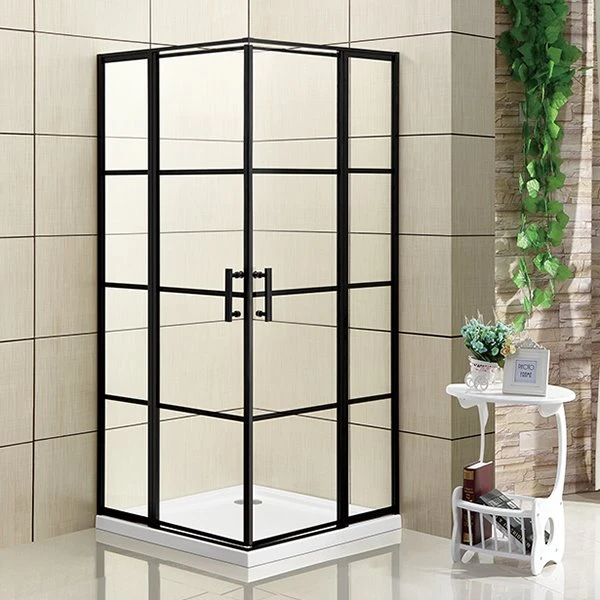
Shower bases also offer versatility in design, size, and accessibility, making them suitable for a wide range of bathroom layouts and user needs. They come in various shapes (rectangular, square, corner, and neo-angle) and sizes, from compact 36x36-inch models for small bathrooms to spacious 60x42-inch options for larger spaces. This flexibility allows them to fit seamlessly into alcove showers, corner showers, or even custom enclosures. Additionally, many shower bases are designed with accessibility features, such as low thresholds (2-3 inches) or zero-threshold designs, which make it easier for seniors, individuals with mobility challenges, or those using wheelchairs to enter and exit the shower safely. Some models also include non-slip textures on the surface, further enhancing safety by reducing the risk of slips and falls-an important consideration for households with children or elderly family members.
The quality and performance of a shower base also depend heavily on its material, with each option offering unique benefits to suit different budgets and preferences. Acrylic is one of the most popular materials, thanks to its durability, affordability, and ease of maintenance. Acrylic bases are non-porous, lightweight, and resistant to scratches and stains, and they often come in a variety of colors to match any bathroom decor. Fiberglass is another common choice, known for its affordability and lightweight design, though it is slightly less durable than acrylic and can be prone to cracking if not properly supported. For those seeking a more premium option, solid surface materials (such as Corian) offer a seamless, high-end look, exceptional durability, and resistance to heat and scratches, though they come with a higher price tag. Stainless steel bases are also available, offering superior durability and corrosion resistance, making them ideal for high-traffic bathrooms or households with harsh water conditions.
While shower bases offer numerous benefits, it's important to acknowledge their potential drawbacks to make an informed decision. One of the main limitations is the lack of customization compared to custom tile showers. Prefabricated shower bases come in standard shapes and sizes, which may not fit uniquely shaped bathrooms or accommodate highly specific design preferences. Additionally, some materials-like fiberglass or acrylic-can feel cold underfoot, especially in colder climates, which may reduce comfort during use. Another consideration is that if a shower base becomes significantly cracked or damaged, it often requires complete replacement, as individual repairs are difficult or impossible-unlike tile showers, where damaged tiles can be replaced individually. Finally, the cost of shower bases can vary widely, with premium models (such as solid surface or high-end acrylic) costing several hundred dollars more than budget-friendly fiberglass options, though this is often offset by their longer lifespan and lower maintenance costs.
To determine if a shower base is right for you, it's important to consider your specific needs, budget, and bathroom layout. If you prioritize convenience, durability, and low maintenance, a shower base is an excellent choice-especially for busy households, rental properties, or anyone looking to avoid the hassle of custom tile installation. For those with mobility needs, low-threshold or zero-threshold shower bases are a practical and safe option. However, if you crave complete design customization or want a high-end, unique look, a custom tile shower pan may be a better fit. When choosing a shower base, it's also important to select a reputable brand and ensure proper installation, as even the highest-quality base can fail if installed incorrectly. Top-rated brands like Dreamline, Morvano, and Kohler offer reliable options with proven durability, as tested in recent evaluations.
In conclusion, shower bases are absolutely a good investment for most bathrooms. They provide a reliable, waterproof foundation that protects your home from water damage, offers easy installation and low maintenance, and comes in a variety of designs to suit different needs. While they have some limitations in terms of customization and repair, their benefits far outweigh their drawbacks for the majority of homeowners. Whether you're renovating an existing bathroom or building a new one, a well-chosen, properly installed shower base can enhance the functionality, safety, and longevity of your shower, making it a worthwhile addition to any home.